The pumpkin spice must flow


As we head into fall, it is the perfect time to start cooking up warm, comforting meals. After all, it’s finally only 90 degrees in the kitchen—this practically feels like winter compared to summer!
When you think of autumn, what flavors come to mind? For most people, it's pumpkin spice everything. But here is a fun historical factoid: medieval cooks used a remarkably similar blend of warm spices. This is the pumpkin spice of the middle ages. The big difference? They regularly added these sweet spices to savory dishes as well as desserts.
In medieval cuisine, Powdered Douce (sweet powder) and Powdered Forte (strong powder) were the staples of the kitchen. Much like modern curry powder or garam masala, there weren't fixed rules; there were likely as many custom versions of Douce and Forte as there were cooks!
A special shoutout to Mistress Magdelene, who graciously taught us how to blend these historic Forte and Douce mixes. To complement her recipes, I recently hosted a session on crafting custom herbed salt blends. I chose to focus on the vibrant, rustic flavors of Tuscany, which double as incredible, earthy fall seasonings. They are absolute perfection on a roast, mixed into stuffing, or generously sprinkled over baked winter squash or other vegetables.
Ready to bring a bit of the 14th century into your kitchen? Try your hand at these spice blends and one recipe for Loseyns (It uses Powdered Douce!)
Powdered Douce SPICE BLEND
Mistress Magdelene's recipe based on information found in The Forme of Curry:
2 Tablespoon Sugar
1 Tablespoon ground Cinnamon
1/4 teaspoon ground Cloves
1/4 teaspoon ground Ginger
This is a sweet spice, great on french toast, roasted carrots... or how about making a medieval lasagna?
Loseyns (Lasagna)
"The Forme of Curry" was written in the 1400s in Britian and was used to make food in royal kitchens. It is from this book that we pull both the spice blends of Douce and Forte as well as this one! It is hardly recognizable as what we think of Lasagna modernly, but it is quite exceptional and I hope you give it a try. Added bonus: It contains powdered Douce!

The recipe as written:
"Take gode broth and do in an erthen pot, take flour of payndemayn and make þerof past with water. and make þerof thynne foyles as paper with a roller, drye it harde and seeþ it in broth take Chese ruayn grated and lay it in disshes with powdour douce. and lay þeron loseyns isode as hoole as þou mizt and above powdour and chese, and so twyse or thryse, & serue it forth.”
What does that mean?
Take good broth and put in an earthenware pot, take fine white flour and make with it a paste with water, and make from that foils as thin as paper with a roller, dry them hard and seethe them in the broth. Take grated soft cheese and lay it in dishes with spice powder, and lay over it the pasta layers as many and as thick as you wish, and above powder and cheese, and so two or three times, and serve it forth.
Welcome to medieval cooking!
How do we translate a 600-year-old scroll into a modern recipe?
Ultimately, it is up to the individual cook to experiment and find a balance that honors the original text. But if you aren’t feeling quite that adventurous, don't worry! Countless food historians and chefs have already done the heavy lifting, testing and sharing their recreations in cookbooks, blogs, and videos.
For this specific recipe, I turned to the delightful culinary history show Tasting History with Max Miller. I copied the measurements directly from his fantastic episode on the dish. If you want to see the fascinating history behind it—and watch how it's made firsthand—I highly recommend looking up his video online and giving it a watch!
MODERN RECIPE INGREDIENTS
2 Cups (240g) Bread Flour
½ (118ml) Cup Water
1.5 liters meat stock
8 oz (226g) Semi-soft cheese
His version of Powdered Douce: 2 teaspoons ginger
1 tablespoons sugar
2 teaspoons cinnamon
1 teaspoon ground nutmeg
1/2 teaspoon grains of paradise (Or other pepper)
METHOD
1. Assemble your powder douce by grinding all the spices into powder and mixing together. There will be plenty of powder douce left over for future recipes.
2. To make the noodles, mix the flour and water together and knead as you would bread dough, about 15 minutes by hand. Then cover the dough and let it rest for 20 minutes. With a rolling pin, roll the dough out as thin as possible, about 1/16 of an inch thick if possible. Then slice your noodles however you'd like. For this version of the recipe, I made squares 3 fingers in width. Then let the pasta dry.
3. Set the stock over medium heat and once it's at a rolling boil, add the dried noodles and boil for 8-12 minutes. The length depends on the thickness of the noodle and how well you'd like it done. Once boiled, empty the noodles and broth into a colander.
4. Assemble the lasagna before the noodles cool. One layer of noodles, a light layer of grated cheese, a layer of powder douce to taste. Repeat 2 or 3 times depending on the size of your tray or bowl.
Powdered Forte SPICE BLEND
1 teaspoon Ground Clove
1 teaspoon Ginger
1 Tablespoon Black Pepper
1/2 teaspoon Cinnamon
This is a strong flavor and does really well on meats but would also go on vegetables, in soups and just about anywhere you would like to try it. I hear tell it is amazing in chili.
Any Herbed Salt SPICE BLEND
2 parts fresh herbs
1 part salt
Tuscan Herbed Salt SPICE BLEND
Here is a more precise version of what I made:
1/2 cup fresh herbs: 1 large clove of garlic, minced fine
1 Tablespoon of peppercorns (I used a blend of red, green, white and black peppercorns)
An equal amount of Sage and Rosemary. Remove the leaves from the stem to fill up the 1/2 cup and chop finely
1/4 salt (In one version I used half pink salt and half smoked sea salt from the Salish tribe. In the other, I used a grey sea salt. Regular sea salt would also be just fine)


Instructions
Grind and Blend: Transfer your fresh herb and salt mixture into a mortar and pestle. Bruise and smash the ingredients until the herbs break down, release their aromatic oils, and form a well-blended, damp paste with the salt.
Prep for Drying: Spread the mixture evenly across a baking sheet in a thin layer.
Low and Slow Oven Dry: Place the sheet in the oven at 160°F (70°C). Stir the mixture occasionally to break up clumps and ensure it dries evenly.
Monitor the Moisture: Drying times vary wildly. Depending on your oven, the thickness of your layer, and how finely the herbs were ground, it can take anywhere from 40 minutes to over 2 hours. Don't rely on the clock—simply check it, stir it, and repeat until you are completely satisfied that all moisture is gone.
An Alternate Method: Drying Before Grinding
If you prefer, you can absolute dry your chopped herbs and salt before doing the heavy grinding. In fact, this is exactly how we did it in class!
Even if you choose this route, do not skip the initial rub. Massaging the freshly cut herbs into the salt first is crucial because it ruptures the plant cells, releasing the essential oils and locking that vibrant flavor straight into the salt. Once you rub them into a damp blend, dry the mixture in the oven, and then transfer the dehydrated blend to your mortar and pestle for the final grind.
Whichever method you choose, this is a truly spectacular way to preserve fresh garden herbs and instantly elevate your future cooking.
What are some herbs and spices were used in Italy the middle ages? Spinach, chard, parsley, and mint, onion, cumin, fennel or anise seeds, pepper, saffron, nutmeg, cinnamon, ginger, and cloves, we also find melegette (grains of paradise), pervelongo or pevere longo (long pepper), fiore di cannella (cinnamon flowers), galangal, and gardanino (cardamom), garlic. I am certain you can find more, it was a very flavorful food region.
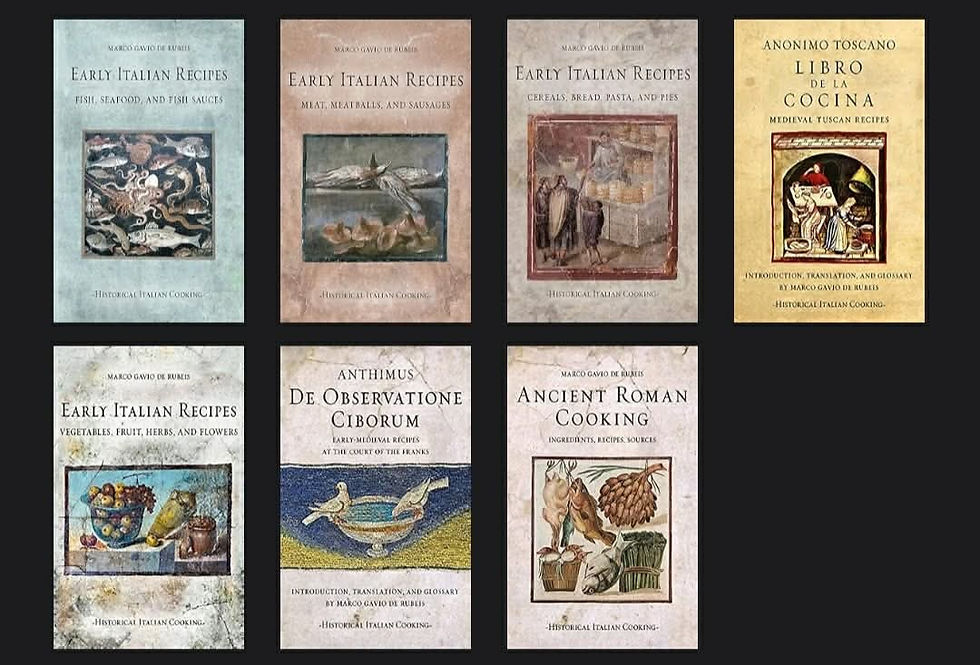
Wonderful resources for medieval Italian cooking: The herbed salt or Sale alle Erbe can be found in "The Libro di cucina" c. 1300 - 1350 and "Libro de Arte Coquinaria", c. 1465 to name a couple. These books form a kind of encyclopedia of courtly, aristocratic cuisine prepared for the wealthy merchant class and nobility of Venice.


Comments